
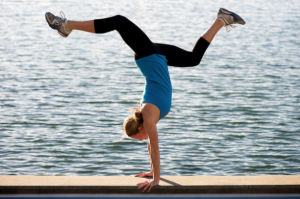
Balance and co-ordination are an often overlooked part of fitness and should be trained as much as strength and endurance. Balance and co-ordination are controlled by several parts of the body, including the eyes and the ears. These senses pass on the data via the nervous system to the muscles to co-ordinate movement. In older people though, these senses deteriorate and as a result, balance may worsen. Improving balance and coordination can benefit everyone, especially the elderly, and make you healthier and fitter.
However, there are many factors that may hamper your balance and coordination. The alignment of your neck, your spine, and your pelvis is one. When your pelvis is misaligned, your body needs to compensate and your neck or back may shift to one side so you can keep your balance, but this in turn causes you stiffness and neck pain.
Age and disease can also contribute to poor balance. With poor balance, the elderly are prone to slips and falls. It hinders mobility and lessens the overall quality of life. Diseases such as arthritis and osteoporosis hamper balance and coordination.
Regular exercise improves flexibility, strength, balance and coordination. Many sports, the gentler ones such as lawn bowls as well as the more athletic ones, strengthen muscles which help to prevent misalignment.
Nutrition too is another important aspect of a healthy life. Important nutrients for balance and coordination include sodium, calcium, potassium, and magnesium as they are needed in regulating nerve impulses and muscle activity.
From the Preston Chiropractor Team
Getting You Back in Action & Enjoying Your Life Again
Serving the people of Preston and surrounding areas including Southport and Lytham St Annes