|
| |
What is Osteoporosis?
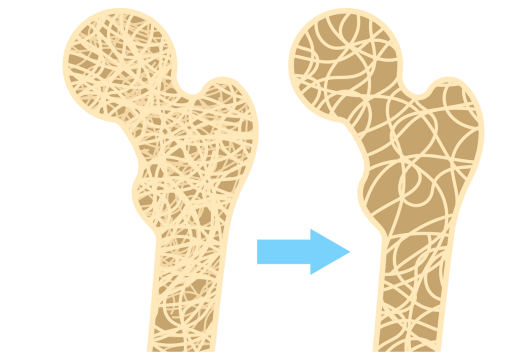
Osteoporosis is a health condition that weakens bones, making them fragile and more likely to fracture.
Think of your bones like a honeycomb — strong but full of tiny holes. With osteoporosis, those holes get bigger, and your bones become weaker and more likely to break. It often develops silently over years, so you don’t feel it happening... until something snaps (literally).
|
|
|
|
|
| |
Who's at risk?
Osteoporosis doesn’t just happen overnight — it develops quietly over years.
You may be at higher risk if you:
- Have a family history of osteoporosis or fractures
- Are postmenopausal (especially after age 50)
- Have a smaller body frame or lower body weight
- Smoke or drink alcohol regularly
- Take long-term steroids or acid reflux medication
- Don’t get enough calcium, vitamin D, or protein
|
|
|
|
| |
Spot The Early Signs
Osteoporosis is often called the ‘silent disease’ — because there are usually no symptoms until a fracture happens. However, watch out for these subtle clues:
- Losing height or developing a stooped posture
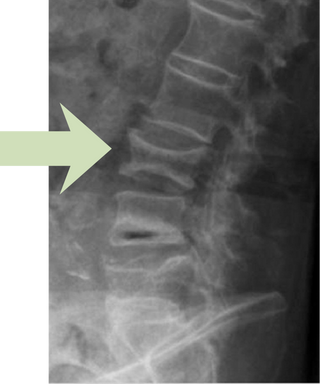
- Back pain (especially mid-back) from small vertebral fractures
- Bones breaking more easily than expected.
If you notice any of these, it’s worth discussing a bone health review with your GP.
|
|
|
|
|
|
| |
Movement Matters
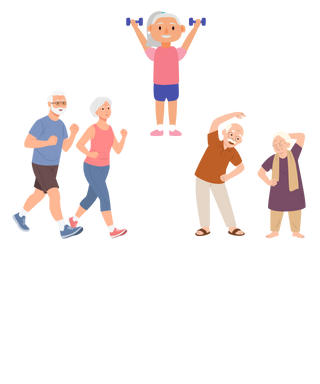
Your bones are living tissue — they get stronger when you load them. The best exercises for bone strength include:
- Brisk walking, dancing, stair climbing (weight-bearing)
- Resistance bands or light weights (muscle loading)
- Tai Chi or yoga (balance and coordination)
Even short bursts of 10–15 minutes daily can make a difference.
|
|
|
|
|
|
| |
Bone Building Quartet
Your bones constantly break down and rebuild.
To keep that balance strong, they need four key nutrients working together:
- Calcium builds the structure
- Vitamin D helps your body absorb it
- Vitamin K2 makes sure calcium ends up in your bones, not your arteries
- Magnesium keeps the whole process running smoothly — it activates vitamin D and supports the enzymes that build new bone. And don't forget vitamin B6 - it helps your body absorb and use magnesium efficiently, so the whole bone-building team can do it's job properly!
Once bone density drops, it’s hard to rebuild it — but maintaining it is achievable. That’s why early awareness is powerful. Healthy diet, regular activity, and good posture habits today can save you pain and fractures later.
|
|
|
|
| |
If you’re concerned about osteoporosis, bone strength, or posture changes — don’t worry, you’re not alone. Our team can guide you through simple lifestyle changes, exercises, and nutritional advice to help protect your bones for years to come!
Special Offer: Book your initial consultation with Bhavini and enjoy your first follow-up absolutely FREE (worth up to £40). Offer ends 15th November 2025.
|
|
|
|
|
|
| |
|
Back-in-Action Chiropractic Clinic
Pain Relief, Rehabilitation, Performance & Wellbeing
28 Cop Lane, Penwortham, Preston, Lancs, PRI OSR
Tel: 01772 749389
Web: www.back-in-action.com
Email: reception@back-in-action.com
|
|
|
|
|
|
| |
Get Yourself Back-in-Action And Enjoying Life Again! |
|
|
 |
|