|
| |
February 2019
Hi ,
Welcome to the February edition of the Back-In-Action newsletter. We hope you enjoy it!
This edition includes:
- Why does a joint become Osteoarthritic?
- Gift vouchers
- Posture
- Stretch for spinal strength
|
|
|
|
| |
Why does a joint become Osteoarthritic?
Once identified as such, osteoarthritis can be managed by a variety of means depending upon the location and severity. The primary aim of chiropractic care is to restore mobilisation, aid repair and improve posture to reduce stress on the joints. Care options that are open to chiropractors include manual therapies (which may include chiropractic manipulation, mobilisation or massage), acupuncture, exercise, postural work, ergonomics, nutrition, lifestyle advice or orthoses. Chiropractors are qualified to diagnose this condition and determine appropriate treatment strategies for effective symptom relief and functional improvement.
|
|
|
|
|
|
| |
Gift Vouchers
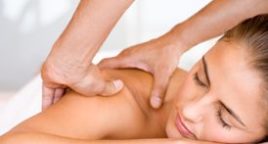
Why not treat someone to a massage voucher for their birthday or special occasion? We have gift vouchers available which can be used for deep tissue massage, sports massage, hot stones or indian head massage. To purchase please call us on 01772 749389 or visit the clinic.
|
|
|
|
|
|
| |
 |
Posture
Chiropractors, as regulated health professionals specialising in musculoskeletal conditions, are educated and qualified to advise on posture. This may relate to posture in children, adults and the elderly or may be more specialised in relation to occupational, driving or sport/leisure activities.
Chiropractors assess posture by inspection and observation, physical examination techniques and, in some cases of severe deformity, by use of x-ray analysis. Treatment of postural dysfunction may be by patient education, functional neurological approaches, cranial work, ergonomic advice, foot orthotics, heel lifts and therapeutic exercise. This may be supported by manual therapy (chiropractic, massage or mobilisation) where indicated or referral to a medical doctor, dentist or podiatrist.
Some people find chiropractic can be a useful adjunctive treatment to help them manage areas of pain caused by tight joints and muscles associated with changes in the spinal curves. Treatment can involve manual therapy (chiropractic, mobilisation or massage), functional neurological approaches, cranial work, stretching exercises, supervised rehabilitation, postural education and therapeutic advice. Management often includes foot orthotics and leg length correction using heel lifts. The success rates tend to depend upon the severity of scoliosis, but in mild to moderate scoliosis there is evidence that conservative care is a useful adjunct to other interventions [31,32].
|
|
|
|
|
|
| |
Stretch for spinal strength
Exercises that stretch and strengthen the muscles of your spine can help reduce the risk of long and short-term back problems. If your back and abdominal muscles (core strength) are strong, it is more likely that you will have good posture. The spine is kept in its correct position by these muscles and thus more able to remain pain free.
Stretching is vital for strengthening and keeping mobility in your lower back. As more and more people suffer from back pain every year, the importance of simple back exercises is paramount. With increasing numbers of people leading active and healthy lifestyles, lower back exercises and stretching should be carried out prior to any form of activity to avoid any risk of injury.
Here are some general exercises, if you feel any pain or discomfort while doing them, stop and seek medical advice
|
|
|
|
|
 |
|